
Our Adventure Blog

Learn How to Get $75 for Qualifying Stays on Oregon’s Adventure Coast
Mon, Jun 1, 2026
It’s the Best Travel Deal of the Summer: Book a Qualifying 2-Night Stay, and We’ll Give You a $75 Gift Card to Fill Your Tank While Supplies Last!...
Read More »
Ten Years of Discovery: Why the Charleston Marine Life Center Belongs on Your Oregon Coast Bucket List
Tue, May 26, 2026
Tucked along the edge of the Charleston Marina on Oregon’s Adventure Coast, the 6,000-square-foot Charleston Marine Life Center (CMLC) isn't your average museum. Since opening its doors in May 2016, this special destination has delighted visitors from across the region, offering opportunities to learn about the remarkable marine ecosystems and diverse sea life on Oregon’s Southern coast....
Read More »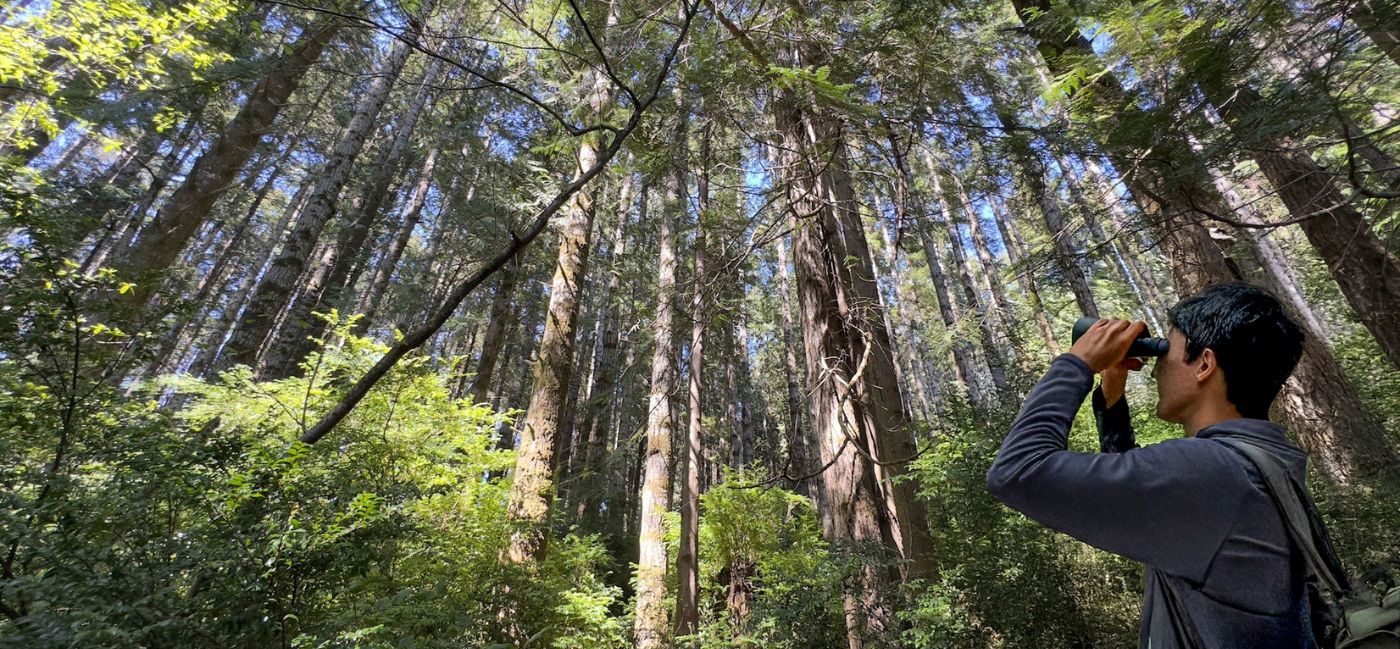
Why Bird Watchers Flock to Oregon's Adventure Coast
Mon, May 11, 2026
Oregon's Adventure Coast: Coos Bay, North Bend, and Charleston is one of Oregon's best birding destinations, with estuaries, old-growth forests, sea cliffs, and a major marine mammal haulout all packed into a small stretch of coast. Grab your binoculars and come see why birds and bird lovers keep coming back....
Read More »
What Every Visitor Needs to Know About Beach Safety on Oregon's Adventure Coast
Tue, Apr 28, 2026
With so many state parks, hiking trails, and undeveloped beaches to explore, it's no surprise that nature lovers travel from all over the country to experience Oregon's Adventure Coast. But like all wild places, the coast demands respect. A little knowledge goes a long way toward keeping your adventure fun and your group safe. Here are some essential beach safety guidelines every visitor should know....
Read More »
Surf & Paddle Your Way Through Oregon’s Adventure Coast
Thu, Apr 16, 2026
Are you searching for a unique adventure to break out of your rut this spring or summer? Getting out on the water might do the trick. When you come to Oregon’s Adventure Coast: Coos Bay, North Bend, Charleston, you’ll find no shortage of options to explore our region’s natural beauty and experience the Oregon Coast in a new way....
Read More »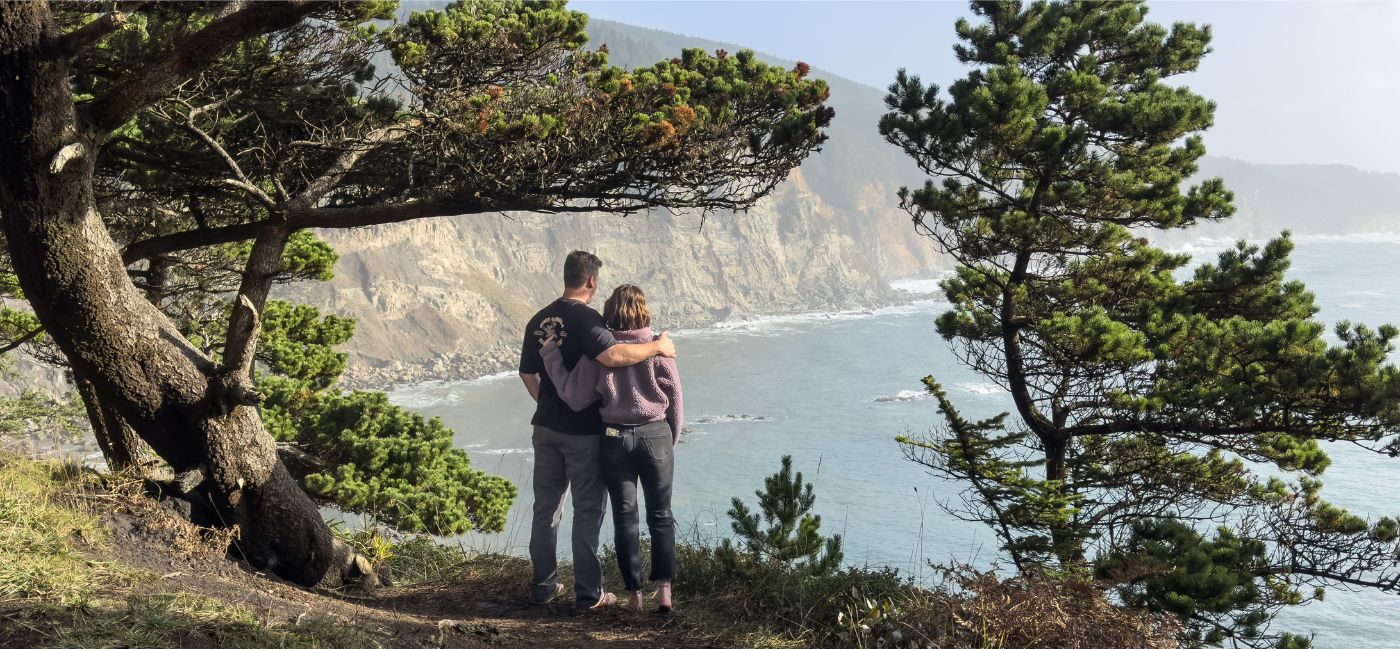
Every Day is Earth Day on Oregon’s Adventure Coast
Mon, Apr 6, 2026
Most visitors want to be good stewards of our land. So, in honor of Earth Day later this month (April 22, 2026), we’ve put together a list of some of our favorite ways to appreciate the Earth and its many treasures on Oregon’s Adventure Coast and how to care for it....
Read More »
Four Days on Oregon's Adventure Coast - By Ruby Tawes
Mon, Mar 30, 2026
This special guest post is written by Ruby Tawes, a full-time Colorado-based freelance photographer, content creator, and traveler specializing in hiking, van life, and national park exploration....
Read More »
BBQ, Blues, Brews, and Now Bourbon on Tap This Memorial Day Weekend!
Thu, Mar 26, 2026
Annual Memorial Day Weekend festival features music, brews, plenty of delicious BBQ, and fun, May 23-24, 2026!...
Read More »
5 Roadtrip-Worthy Races on Oregon's Adventure Coast
Thu, Mar 19, 2026
Oregon’s Adventure Coast is a fantastic destination for runners and is home to multiple popular annual running events that blend camaraderie, challenge, and friendly competition. Runners of all skill levels appreciate the meditative experience of running along the rugged ocean-view trails, rolling hills, lush forests, beaches, and city parks. Here are some races to consider and start training for now. If you’re planning to train for a race, take a look at the events happening on Oregon’s Adventure Coast in Coos Bay, North Bend, and Charleston....
Read More »
Discover the Ultimate Music Adventure at the 2026 South Coast Clambake Music Festival!
Fri, Feb 27, 2026
Invite your music-loving friends and join us for a weekend filled with music, dancing, and lasting memories at the South Coast Clambake Music Festival, coming to Oregon's Adventure Coast March 12-15, 2026! This year’s festival brings together bands from across the country, covering everything from traditional jazz and 50’s rock to swing, doo-wop, blues, big band, and more. If you play your cards right, you could score $120 in vouchers for select adventures, dining, and attractions with our Local Vacation Loot promotion (available through March 31, 2026)!...
Read More »
Top Family-Friendly Activities in Coos Bay, North Bend & Charleston
Thu, Feb 19, 2026
Planning spring break on Oregon’s South Coast? Discover top family friendly activities in Coos Bay, North Bend, and Charleston, from whale watching and tidepooling to museums, dunes adventures, sweet treats, and local food truck courts, plus learn how to make the most of your trip with the Local Vacation Loot promotion....
Read More »
How to Make the Most of Your Local Vacation Loot Package
Tue, Feb 10, 2026
Looking to get more out of your Oregon Coast getaway? Book a two night stay at a participating hotel on Oregon’s Adventure Coast before March 31, 2026, mention the Local Vacation Loot promotion when you call, and receive up to $120 to use toward select local adventures, dining, and attractions. Advance reservations are recommended for activities like ATV rides, fishing, and kayaking, as availability fills quickly....
Read More »
Discover the Creative Side of Oregon’s Adventure Coast: Coos Bay, North Bend, Charleston
Fri, Jan 30, 2026
Many visitors already know about the unique network of museums and galleries in Coos Bay, North Bend, and Charleston. What often comes as a surprise is how much art lives outdoors, woven into neighborhoods, businesses, and gathering spaces. Here are just a few places to start looking. A special thanks to Steven Michael for allowing us to share some of his photography and research in our post....
Read More »
Charleston’s Signature Seafood Event Returns in February 2026
Thu, Jan 22, 2026
If winter has you feeling crabby, or you’re just craving some fresh, delicious Dungeness crab, head to Charleston, Oregon, for the 41st Annual Charleston Crab Feed on Saturday, February 14, 2026, from 11 am to 4 pm at the Oregon Institute of Marine Biology on Boat Basin Road....
Read More »
Want to make a difference in 2026? Take a vacation!
Wed, Jan 14, 2026
Vacation travel benefits mental and physical health, and it also plays an important role in supporting local businesses and job creation in communities like Oregon’s Adventure Coast: Coos Bay, North Bend, Charleston. Stepping away from work can lead to better focus, higher productivity, and greater overall satisfaction when people return....
Read More »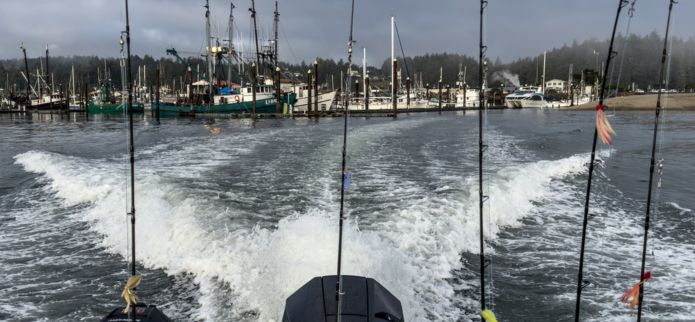
A Visitor's Guide to Fishing, Crabbing, and Clamming in Charleston, Oregon
Mon, Dec 29, 2025
Whether you're brand new to fishing or have plenty of experience, Charleston makes it easy to get out on the water. This guide breaks down fishing, crabbing and clamming options in Charleston, from where to go and who to book with to what's in season, so you can plan a trip that fits your schedule and your comfort level on Oregon's Adventure Coast....
Read More »
Top Coffeeshops & Bakeries for Visitors in Coos Bay, North Bend & Charleston
Fri, Dec 19, 2025
To help you experience Oregon’s Adventure Coast like a local, we’ve gathered a list of well-loved neighborhood spots for great coffee and freshly baked treats. Whether you’re fueling up for a day of fishing, crabbing, beach walks, or state park exploring, or looking for a laid-back spot to pause mid-day and unwind, these locally owned coffeehouses and bakeries capture the spirit of Oregon’s Adventure Coast....
Read More »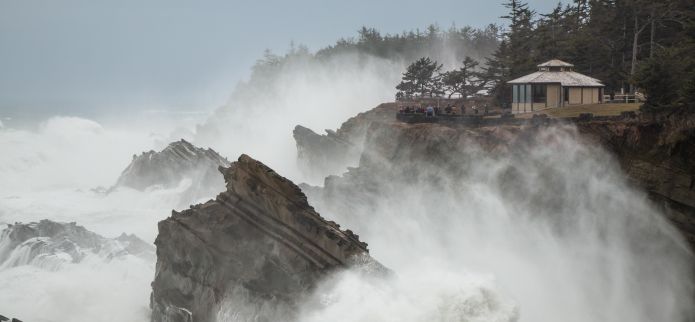
King Tides and Winter Storm Watching on Oregon’s Adventure Coast
Sat, Dec 6, 2025
The Oregon Coast is famous for its natural beauty, but anyone who visits knows the weather and ocean can change in an instant. This winter, we encourage visitors to Coast Like a Local by checking weather patterns and tide schedules before heading out. Our Executive Director, Janice Langlinais, recently sat down with KOIN 6 Chief Meteorologist Josh Cozart to talk about the winter storm season on the Southern Oregon Coast, including the difference between King Tides and High Surf events. You can watch the full KOIN 6 Interview with Janice and Josh here, but here are some key takeaways from that important conversation....
Read More »
Your Guide to Holiday Fun on Oregon’s Adventure Coast
Tue, Nov 25, 2025
The Holiday Lights at Shore Acres are just the beginning. Explore the top seasonal activities and highlights on Oregon’s Adventure Coast....
Read More »
Egyptian Theatre: 100 Years of History in Coos Bay
Mon, Nov 10, 2025
If classic cinema and entertainment in a historic venue sound appealing, then the Egyptian Theatre is a great destination to add to your Oregon Coast travel itinerary. With its ornate hieroglyphic décor, towering pharaoh statues, and a magnificent Wurlitzer organ still filling the theatre with music 100 years later, it’s an experience you won’t soon forget....
Read More »