
Every Day is Earth Day on Oregon’s Adventure Coast
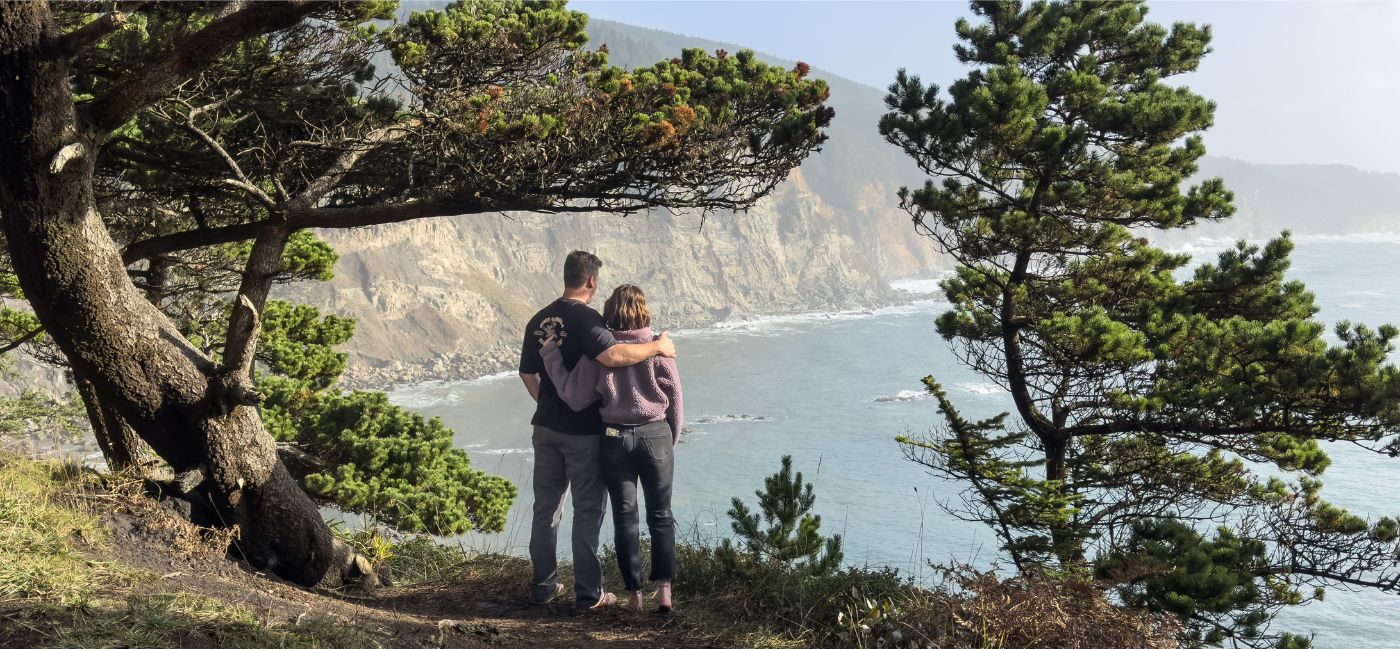
How to be a Good Visitor: Tips for Visiting the Southern Oregon Coast
“The environment is where we all meet; where we all have a mutual interest; it is the one thing all of us share.” -Lady Bird Johnson
Unspoiled beaches. Sweeping views of the Pacific Ocean. An abundance of marine and wildlife.If you ever want to experience how amazing our planet truly is, Oregon’s Adventure Coast: Coos Bay, North Bend, Charleston is the place to visit. Just one trip here and you will understand why Oregon’s Adventure Coast is a beloved destination for nature lovers, and why we wish to protect and preserve it for generations to come.
Most visitors want to be good stewards of our land. So, in honor of Earth Day later this month (April 22, 2026), we’ve put together a list of some of our favorite ways to appreciate the Earth and its many treasures on Oregon’s Adventure Coast and how to care for it.
THE INDIGENOUS HISTORY OF OREGON’S ADVENTURE COAST
“For millennia, the Native peoples of the Oregon Coast took an active role in managing the land and the species that live there. Our ancestors’ sustainable management practices made careful use of natural resources, protected wildlife habitat, and promoted a lush, diverse and productive landscape. The land rewarded them with a generous bounty.” - Coquille Indian Tribe
Thousands of years before scientists and government agencies began writing landscape management plans, the Indigenous people who inhabited the Oregon coast made their homeland a source of sustainable riches. As part of their core values , Indigenous communities like the Coquille Indian Tribe have dedicated themselves to “Considering the impacts to our people, land, water, air and all living things” and “Practicing responsible stewardship of Tribal resources.” Click here to learn more about the Coquille Indian Tribe and sustainability.
Leave No Trace on Trails AND in Town. Oregon’s Adventure Coast is a beautiful destination on the bay, with natural amenities such as towering ancient sand dunes, state parks, lush forests, rocky ocean-facing cliffs, rivers, lakes, undeveloped beaches, and so much more. Let’s all do our part to keep it that way. Preventing litter, erosion, invasive species, and pollution keeps this place special for future generations.
“Leave no trace” means exactly what it says. If you visit the trails or beaches, please take everything you bring and/or produce with you when you leave. “Leave no trace” applies in town as well. When you visit beaches or marinas, please don’t leave trash in the parking lots and pick up any litter you find. These small actions help make sure everyone feels welcome here. Let’s keep the southern Oregon coast beautiful for years to come.
For more tips, read Leave No Trace: 7 Guidelines to Protect Oregon’s Adventure Coast for Future Visitors.
Support Local Businesses. The regional economy relies on timber, fishing, and tourism. Local businesses in Charleston, North Bend, and Coos Bay depend on tourism, and your support matters! Buying local boosts the economy and lowers your carbon footprint. With shorter supply chains, local businesses cut transportation and emissions. Local products avoid cross-country shipping, reducing fuel use and packaging waste.
Local businesses also tend to operate on a smaller scale, often resulting in lower energy consumption, less waste, and less land use than large commercial operations. Many local owners also have a personal stake in the health of their surrounding environment, making them more likely to adopt sustainable practices and source from nearby farms or producers who share those values. Learn more about our local shops in this guide .
Respect Coastal Wildlife and Tidepool Etiquette. As you explore Oregon’s Adventure Coast and watch wildlife, keep in mind that these are living plants and animals in their own home. Do not touch wildlife. Always watch from a safe distance and avoid disturbing them. If you see a seal pup on the beach, leave it alone. It is not lost; it is just waiting for its mother to come back.
When tidepooling, remember the saying: “If you pry, it will die.” If you decide to handle tide pool creatures, never pull them off rocks because this can harm or kill them.
Pick up only creatures that are not attached, and handle them gently and for a short time. Many need water to breathe, so return them quickly. Touch tide pool animals softly, and leave shells on the beach because many are homes for animals, even if you cannot see them. Click here for more tips for responsible tidepooling !
Drown all campfires. If you’re camping at a state park or having a fire on the beach, remember to practice fire safety. Always follow campfire guidelines and make sure to put out all embers completely before you leave.
We all share the responsibility to care for our planet, and Earth Day is a good time to celebrate the progress we’ve made. It’s also a chance to renew our efforts and keep working toward a more sustainable future, wherever we are on that journey.Follow these campfire safety recommendations .
BEST PLACES FOR NATURE LOVERS TO VISIT
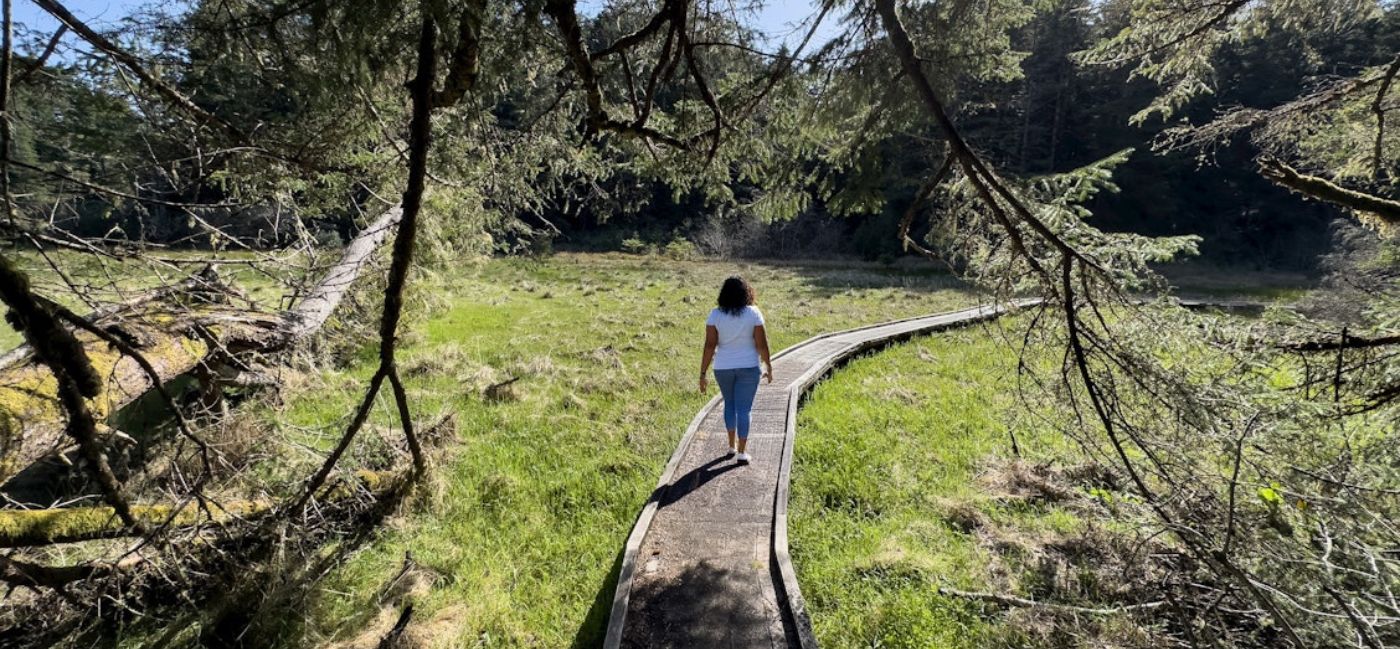
South Slough National Estuarine Research Reserve. Spend a day hiking, kayaking, or birdwatching through miles of beautiful trails and waterways at the country’s first designated estuarine reserves. Learn more
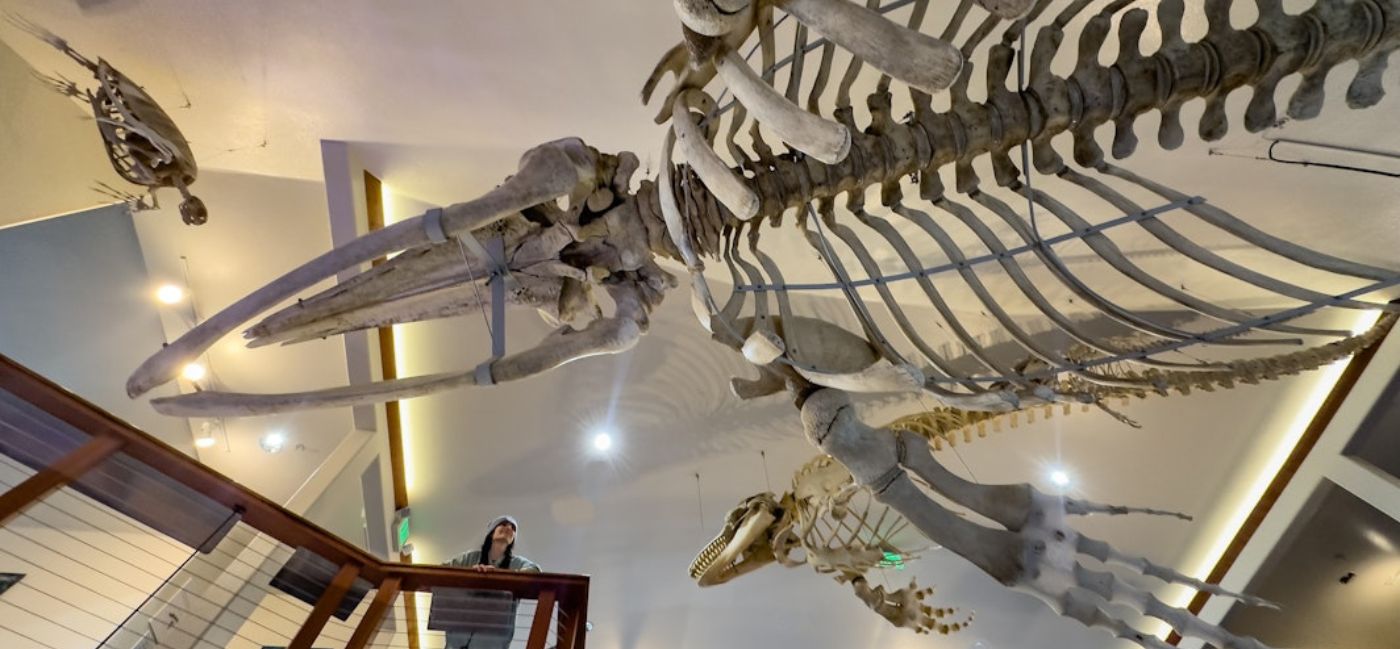
The Charleston Marine Life Center. This 6,000-square-foot center on the campus of UO’s Institute of Marine Biology features exhibits on marine ecosystems, underwater Oregon, and an open-air Oregon fisheries gallery overlooking the harbor. Learn more about the Charleston Marine Life Center. Click here for more info about our network of museums.
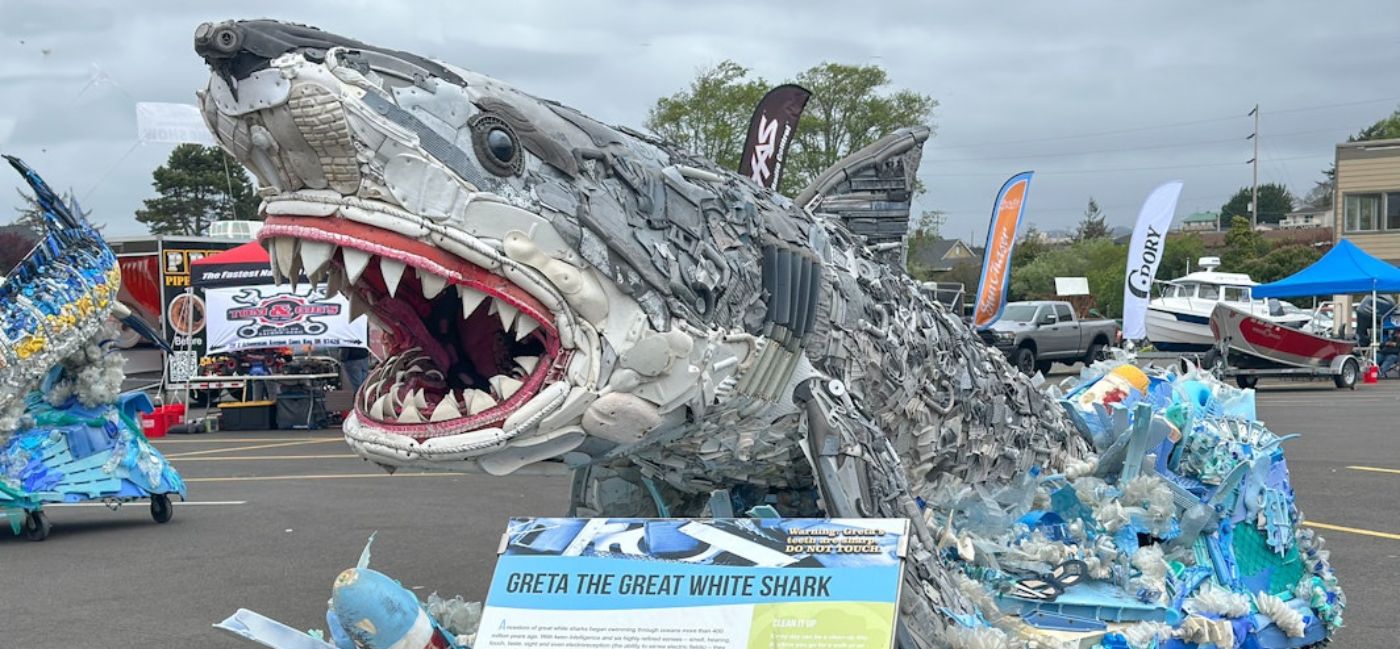
The Washed Ashore Project. See impressive ocean-themed sculptures made entirely from plastic debris collected from Oregon beaches, raising awareness about ocean pollution. Click here for more info .
State Parks along Cape Arago Highway. Along the Cape Arago Highway, three spectacular Oregon state parks (Sunset Bay, Shore Acres, and Cape Arago) sit within a short distance of each other. Together, they offer hiking, sweeping ocean views, forest bathing, and picnicking, making them an easy and rewarding day trip. You can also watch hundreds of seals and sea lions on the rocks at Simpson Reef and Shell Island, part of the Oregon Islands National Wildlife Refuge . Bring binoculars for the best views from the overlook.
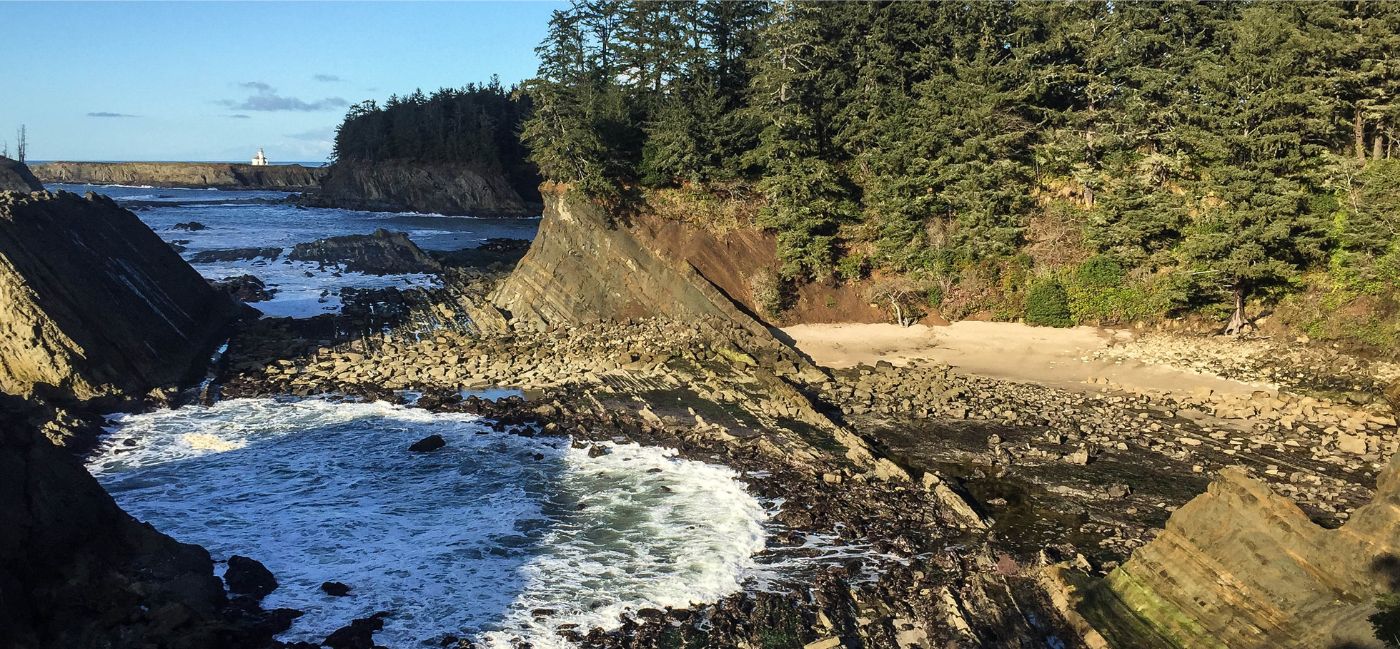
Please note there is a $10 day parking pass per vehicle to visit all three, unless you have a valid Oregon State Parks Annual Parking Permit.
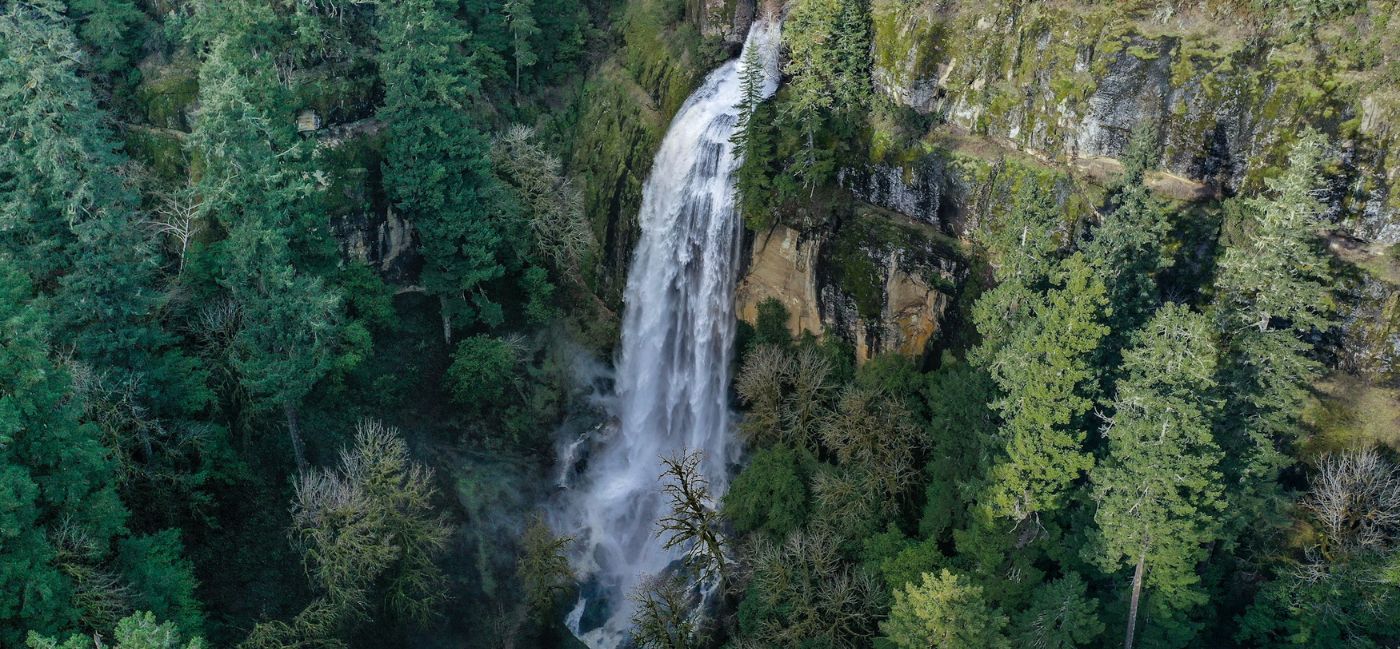
Golden and Silver Falls State Natural Area. This natural treasure, not to be confused with Silver Falls near Silverton, is located in lush coastal forests 24 miles northeast of Coos Bay (the beautiful drive is part of the experience). The area features two impressive waterfalls, and no advanced hiking experience is required! The area is also ideal for forest bathing, offering a peaceful and restorative environment. Learn more .
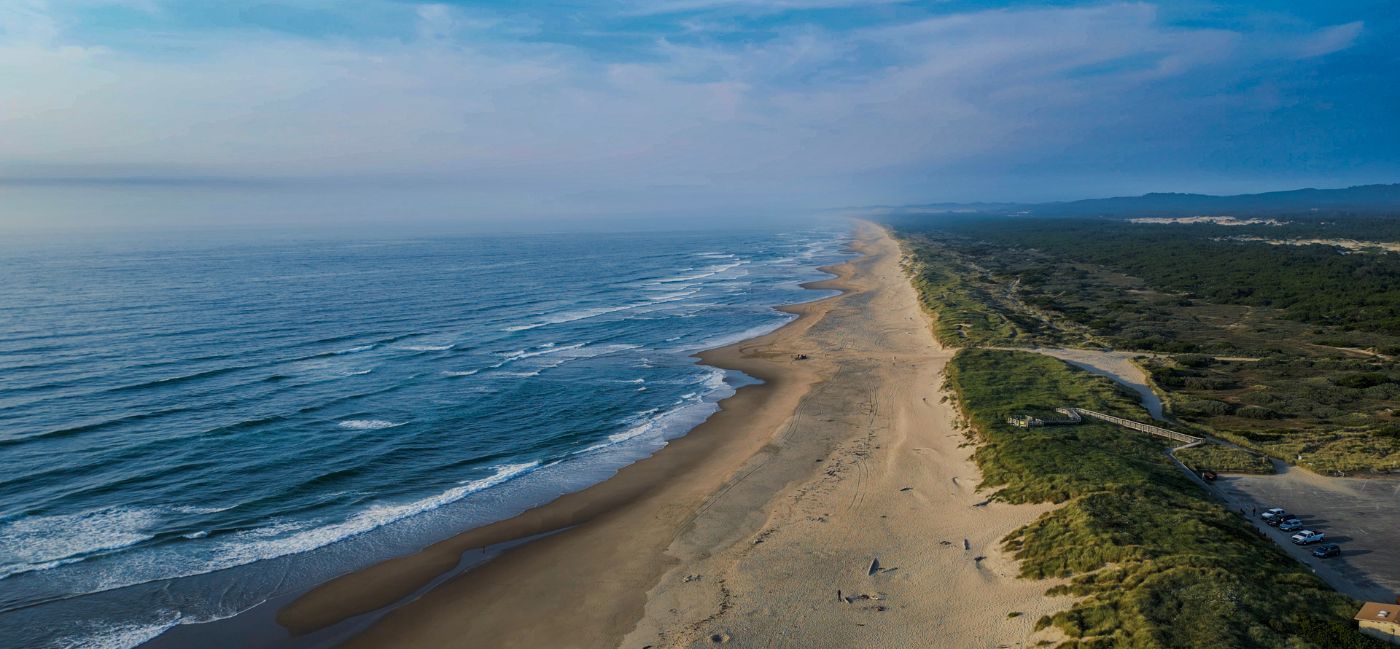
Any Local Beach. Visitors love finding solitude and peace along our pristine, unspoiled beaches, perfect for walking, kite flying, or watching surfers ride the waves. Thanks to Oregon’s 1967 Beach Bill, most of the Oregon Coast is designated a public recreation zone, helping ensure our beaches remain natural and free from private development. Be aware of coastal hazards, including undertows, sneaker waves, and rolling logs. Learn more .
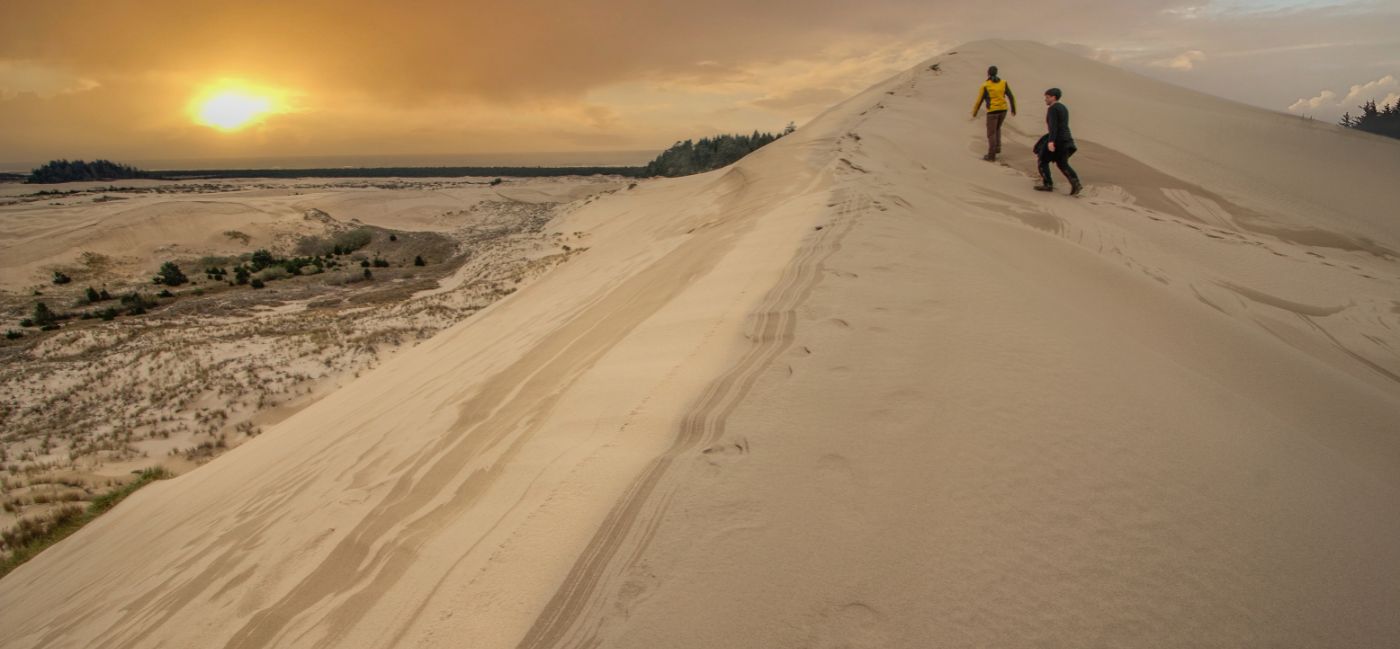
Oregon Dunes National Recreation Area. The largest coastal sand dune expanse in North America covers more than 32,000 acres of dunes, forest, streams, and lakes. Visitors can hike, ride the dunes, or sandboard. The area features wind-shaped dunes rising up to 500 feet above sea level, located between the Pacific Ocean and a coastal forest. Learn more.
More Resources
- Our Complete Guide to Forest Bathing
- 15 things to do in Coos Bay Oregon (southern Oregon coast guide)
- Exploring Nature Therapy on Oregon’s Adventure Coast: Embrace, Release, Renew
- Six Fun Facts about Oregon’s State Park System
- Rediscover Awe: The Benefits of Nature on Oregon’s Adventure Coast
- Seven Under-the-Radar Destinations to Explore on Oregon’s Adventure Coast
